Chemical-technical maintenance and servicing solutions
Chemical-technical maintenance and servicing solutions
Chemical-technical maintenance and servicing solutions for transport and machinery
Vehicles, engines, and machinery used in heavy-duty, off-road, and marine applications must operate reliably under high loads. Deposits, buildup, and coking can impair the functioning of technical systems.
TUNAP develops chemical and technical solutions for maintenance and repair. The focus is on restoring stable operation within the existing system, rather than hastily replacing components.
Why this topic is relevant
Engines and machinery used in commercial applications operate under demanding conditions: unfavourable load profiles, long operating times and extreme environmental conditions. Added to this are increasingly stringent regulatory requirements and rising expectations on the part of operators.
In practice, however, performance deviations often do not occur abruptly, but rather gradually. Performance and efficiency often deteriorate when systems are no longer clean.
The consequences include:
- Loss of power and unstable operation
- Increased wear and tear
- Emissions deviations over the life cycle
- Rising maintenance and downtime costs
The hasty replacement of entire assemblies is not automatically the most technically and economically sensible solution.
How TUNAP approaches the maintenance of large engines
TUNAP works with engine and machinery manufacturers in the heavy-duty, off-road and marine sectors. The starting point is the specific fault pattern within the system and an analysis of its causes.
- Where do deposits form?
- Which function is impaired as a result?
- Under what operating conditions does the problem occur?
On this basis, chemical and technical solutions are developed as part of maintenance and repair programmes.
Keeping an eye on the life cycle
This approach tracks the system throughout its life cycle: from understanding the problem, through restoring functionality, to safeguarding and maintaining system performance.
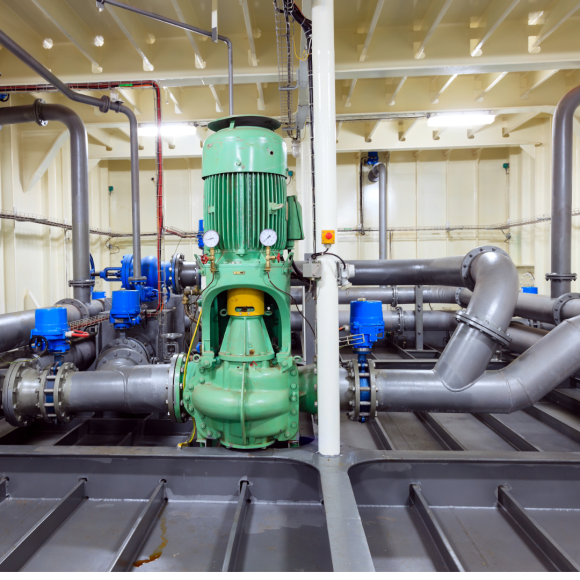
Once any blocked or coked-up areas have been cleared, the system can operate stably within its design parameters. Consistent flow, cooling and injection conditions are essential for reliable operation under specific operating conditions.

If functions within the existing system can be retained or restored, this can prevent unnecessary component replacements. The effort involved may be less than that required for solutions involving new components or lengthy development cycles.
Possible objectives of a maintenance approach
- Reduce downtime
- Avoid unnecessary component replacements
- Make maintenance and servicing strategies predictable
- Reduce development and approval costs compared with solutions involving new parts

Clean systems can help to ensure stable emissions throughout their entire life cycle. They can also support the extended use of technical components and remanufacturing approaches, whereby components are reconditioned rather than replaced
Solutions by application area
Deposits and contamination vary depending on the application area. The industry-specific pages below categorise typical problems and suggest appropriate solutions.

Technical expertise for demanding applications
TUNAP has many years’ experience in developing chemical and technical solutions for demanding applications. Collaboration with industrial and OEM partners, bespoke application development, and laboratory and field tests form the basis of our work.
Professional exchange within projects, committees and associations is part of this approach.
Quality and compliance are taken into account throughout.
Frequently asked questions about the maintenance of large engines
Chemical-technical maintenance refers to the targeted loosening and removal of deposits, coking and build-up in engine and exhaust systems using specially developed formulations – with the aim of restoring the system to its original function without replacing any mechanical components.
If a component’s function can be restored by removing deposits, this eliminates material costs, development and approval costs, and some of the downtime. This reduces the total cost of ownership compared with replacing the component.
For large engines and machinery used in heavy-duty, off-road and marine applications – such as commercial vehicles, agricultural and construction machinery, as well as marine and large engines.
Yes. Clean exhaust after-treatment and combustion systems help to maintain stable emissions throughout the life cycle, as they minimise operational deviations caused by deposits.